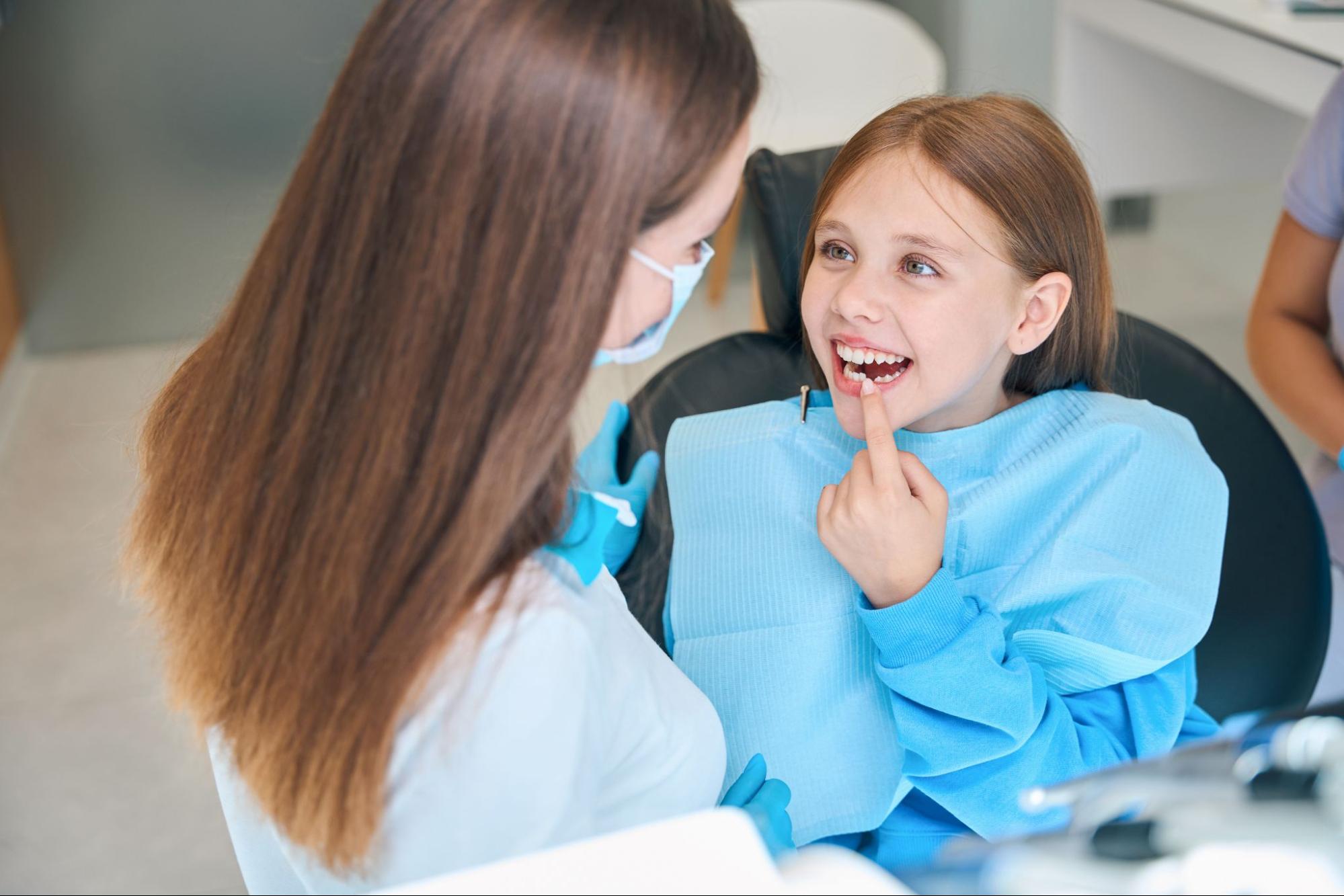
Wondering how long your child will be in braces? You’re not alone. It’s one of the first questions parents ask when they walk into Ivy City Pediatric Dentistry & Orthodontics, and the honest answer is: it depends. The good news is that most kids and teens finish within a predictable range, and understanding what shapes that timeline helps you plan with confidence.
How Long Do Braces Take for Kids and Teens? Quick Answer
Most kids and teens wear braces for 12 to 24 months. Simple cases, like mild crowding or small gaps, can wrap up in 6 to 12 months. More involved cases, including significant bite correction or impacted teeth, may take 24 to 30 months or longer. Every smile moves at its own pace.
The timeline really comes down to four things: your child’s age, how complex the case is, how well they stick with the plan (think elastics and hygiene), and their unique biology. Two kids with similar-looking smiles can finish months apart simply because their teeth respond differently.
That’s why a personalized evaluation at Ivy City Pediatric Dentistry & Orthodontics is the only way to get an accurate estimate for your child. Dr. Jarrett Caldwell reviews each case individually and maps out a realistic timeline from day one. Below, we’ll walk through exactly what affects your child’s unique treatment length, and what you can do to help things move smoothly.
How Braces Work and the Typical Treatment Process
Braces work by applying gentle, steady pressure to teeth. That pressure signals the bone around each tooth root to remodel, allowing teeth to shift into their new positions over time. It’s a slow, biological process, which is why patience pays off.
Most patients visit for adjustments every several weeks, on a schedule set in their treatment plan. At each visit, Dr. JC and his team fine-tune the wires, replace elastics, and check progress.
The Five Stages of Braces Treatment
- Consultation and planning. Dr. JC performs a full exam, takes digital scans and X-rays, and designs the treatment plan.
- Placement. Brackets are bonded to the teeth and the first wire is placed. This visit usually takes about an hour.
- Active treatment. Regular adjustments guide teeth into alignment over 12 to 24 months on average.
- Debond (removal). Brackets come off, and your child sees their new smile for the first time.
- Retention. A retainer holds the new position so teeth don’t drift back.
Two-Phase Treatment for Younger Kids
Some kids benefit from two-phase orthodontic treatment. Phase 1 typically starts between ages 7 and 10, while the jaw is still growing. It uses expanders or partial braces to guide jaw development and create space for permanent teeth. Phase 2 happens later, usually in the early teen years, to finish aligning the full set of adult teeth.
Teen jaws are still developing, which makes tooth movement more responsive than it is in adults. That biological advantage is one reason the American Association of Orthodontists recommends every child have an orthodontic evaluation by age 7. As a dual-board-certified pediatric dentist and orthodontist, Dr. Jarrett Caldwell is specifically trained to spot early signs that make a real difference in long-term outcomes.
Benefits of Starting Braces During Childhood or Teen Years
Starting braces during the growing years offers real advantages that adult patients simply can’t tap into. Here’s why timing matters.
- Faster tooth movement. Growing jaws respond quickly to orthodontic forces, which often shortens total treatment time compared to adult cases.
- Less invasive outcomes. Early intervention can reduce the likelihood of needing tooth extractions or jaw surgery later. Guiding jaw growth while it’s still happening is far simpler than correcting it afterward.
- Better bite function. Correcting overbites, underbites, crossbites, and crowding improves chewing, speech clarity, and even breathing in some kids.
- Easier oral hygiene for life. Straight teeth are easier to brush and floss, which lowers the lifetime risk of cavities and gum issues.
- Shorter timeline than adult treatment. Finishing braces before adulthood avoids the longer timelines adults face, since mature bone remodels more slowly.
- Confidence during key social years. A straighter smile during middle school and high school can give teens a real boost in self-esteem during formative years.
- Protection for active kids. Correcting protruding front teeth lowers the risk of injury during sports and everyday play.
Why Timing with a Specialist Matters
Not every orthodontic office focuses on kids and teens. At Ivy City Pediatric Dentistry & Orthodontics, every part of the experience is designed with young patients in mind, from the welcoming environment to the way Dr. JC explains each step. Because he’s dual-board-certified in both pediatric dentistry and orthodontics, your child gets specialty-level care without bouncing between offices. Everything happens all under one roof.

Kids vs. Teens vs. Adults: Timeline Comparison
Age plays a bigger role in treatment length than most parents realize. Here’s a side-by-side look at how timelines typically differ across age groups.
| Age Group | Typical Treatment Duration | Key Considerations |
|---|---|---|
| Kids (7-10) | Phase 1: 6-12 months | Growth guidance, space maintenance, often followed by Phase 2 in teen years |
| Tweens & Teens (11-17) | 12-24 months | Fastest bone remodeling, growth spurts can speed progress |
| Adults (18+) | 18-30 months | Denser bone slows movement, no jaw growth to leverage |
What the Numbers Really Mean
Kids in Phase 1 treatment aren’t wearing full braces for a year straight. Phase 1 uses targeted appliances like expanders or partial brackets to shape the foundation. There’s usually a resting period before Phase 2 begins.
Tweens and teens are often in the sweet spot. Their permanent teeth are mostly in, their jaws are still growing, and bone remodels quickly. Growth spurts can noticeably speed things up, which is why Dr. JC pays close attention to developmental timing when planning each case.
In adults, mature bone takes longer to respond to the same forces. That’s why starting treatment during the teen years is often the most time-efficient option.
Invisalign Teen vs. Metal Braces
Timelines for Invisalign Teen and traditional metal braces are generally similar for comparable cases. The bigger factor is compliance. Metal braces work 24/7 whether your teen thinks about them or not. Aligners only work when they’re actually being worn, usually 20 to 22 hours a day. For a motivated teen, both options can finish in roughly the same timeframe.
Factors That Affect How Long Your Child’s Braces Take
Every mouth is different, and several variables shape how quickly treatment wraps up. Here are the biggest ones.
- Case severity. Mild crowding is a shorter project than correcting a severe overbite, underbite, crossbite, or impacted tooth.
- Age and remaining jaw growth. Younger patients with active growth often move through treatment faster.
- Patient compliance. Wearing elastics as prescribed, keeping teeth clean, and showing up for visits all keep treatment on track.
- Appliance type. Metal braces, ceramic braces, and clear aligners each have slightly different mechanics, though timelines are often comparable.
- Biological response. Some kids’ teeth simply move faster than others. It’s individual.
- Setbacks that add time. Broken brackets, missed visits, or poor hygiene can stretch treatment by weeks or even months.
The best way to stay on schedule? Follow Dr. JC’s instructions, keep every adjustment visit, and brush and floss carefully around brackets.
Is Your Child a Candidate for a Shorter Treatment Timeline?
Not every case needs the full 24 months. Here’s who typically finishes faster.
- Mild crowding or small spacing issues. These often resolve in 6 to 12 months.
- Great hygiene and strong compliance. Kids who wear their elastics and keep their teeth clean avoid setbacks.
- Teens in an active growth phase. Growth spurts can meaningfully shorten treatment.
- Simple bite corrections. Minor alignment issues move faster than complex structural problems.
Who Needs a Longer Timeline
More complex cases need more time. These include severe crowding, impacted teeth, significant jaw discrepancies, or cases where multiple issues are being corrected at once. Dr. JC will walk you through exactly what to expect based on your child’s specific situation.
When to Request an Appointment
The American Association of Orthodontists recommends a first ortho consult by age 7, even if no treatment is needed yet. Early evaluation lets Dr. JC spot issues when they’re easiest to address.
Signs it’s time to request an appointment with Ivy City Pediatric Dentistry & Orthodontics:
- Visible crowding or crooked teeth
- Noticeable overbite, underbite, or crossbite
- Mouth breathing or snoring
- Jaw clicking or discomfort
- Difficulty chewing
- Early or late loss of baby teeth
- Thumb-sucking past age 4
A first visit is relaxed, informative, and gives you a real sense of what your child’s treatment timeline might look like.
Frequently Asked Questions About Kids and Teens Braces Timelines
Is age 15 too late for braces?
Not at all. The teen years remain an ideal window for braces because jaws are still developing and bone remodels quickly. Many kids start braces at 14, 15, or 16 and finish within 12 to 24 months with excellent results.
What are the 5 stages of braces?
The five stages are: (1) consultation and planning, (2) bracket placement, (3) active treatment with regular adjustments, (4) removal of the braces, and (5) retention with a retainer. Each stage builds on the one before it, and the retention phase is just as important as the active treatment phase.
Will my teen’s teeth move years after braces come off?
Yes, if a retainer isn’t worn as directed. Teeth have a natural tendency to shift over time, which is called relapse. Wearing a retainer according to Dr. JC’s instructions, often nightly over the long term, keeps the new smile stable.
Is 7 years too long to have braces on?
Yes, that’s unusually long. Most kids and teens finish within 2.5 years. If treatment seems to be dragging, it’s often tied to missed visits, broken appliances, or compliance issues. A clear plan and consistent follow-through keep things on track.
Do teens finish braces faster than adults?
Often, yes. Teens have the biological advantage of active jaw growth and faster bone remodeling, which usually means shorter overall treatment times. Adult cases that look similar on paper may take several months longer simply because of denser bone.
Can braces come off before a big event like prom?
Sometimes Dr. JC can adjust the final stages of treatment to align with important dates like prom, graduation, or senior photos. The best approach is to mention upcoming events early so the timeline can be planned around them when possible. No promises, but there’s often flexibility.
Get Started on Your Smile
Every child’s timeline is different, and the best way to get a real answer about your child’s treatment length is a personalized evaluation. Dr. Jarrett Caldwell and the Ivy City Pediatric Dentistry & Orthodontics team are here to walk you through every step, from the first visit to the day the braces come off.
Visit us at 2012 Hecht Ave NE in Washington, DC, or call 202.953.0171 to request an appointment. Let’s get started on your smile and give your child a lifetime of healthier smiles.